INSPECTION & REPLACEMENT
Wedge Wire Screen Maintenance and Replacement Checklist
Wedge wire screens need duty-specific inspection and cleaning. Check the working surface for blockage and slot wear, examine welds, supports and mounting interfaces, and compare process flow or pressure trends with the equipment baseline. Use only cleaning methods and pressures approved for the installed assembly; measure fit and record the failure mode before ordering a replacement.
Begin with the equipment instructions and operating history
Inspection frequency depends on solids loading, abrasion, corrosion, cleaning cycles and access. Review the equipment manufacturer's instructions and site procedures before removing or cleaning a screen. Log normal and abnormal flow, pressure difference or dewatering performance using the same measurement basis. A rising pressure difference may indicate blockage, but process changes and downstream restrictions must also be checked.
Inspect the surface, supports and fit
| Inspection area | Look for | Record for a replacement enquiry |
|---|---|---|
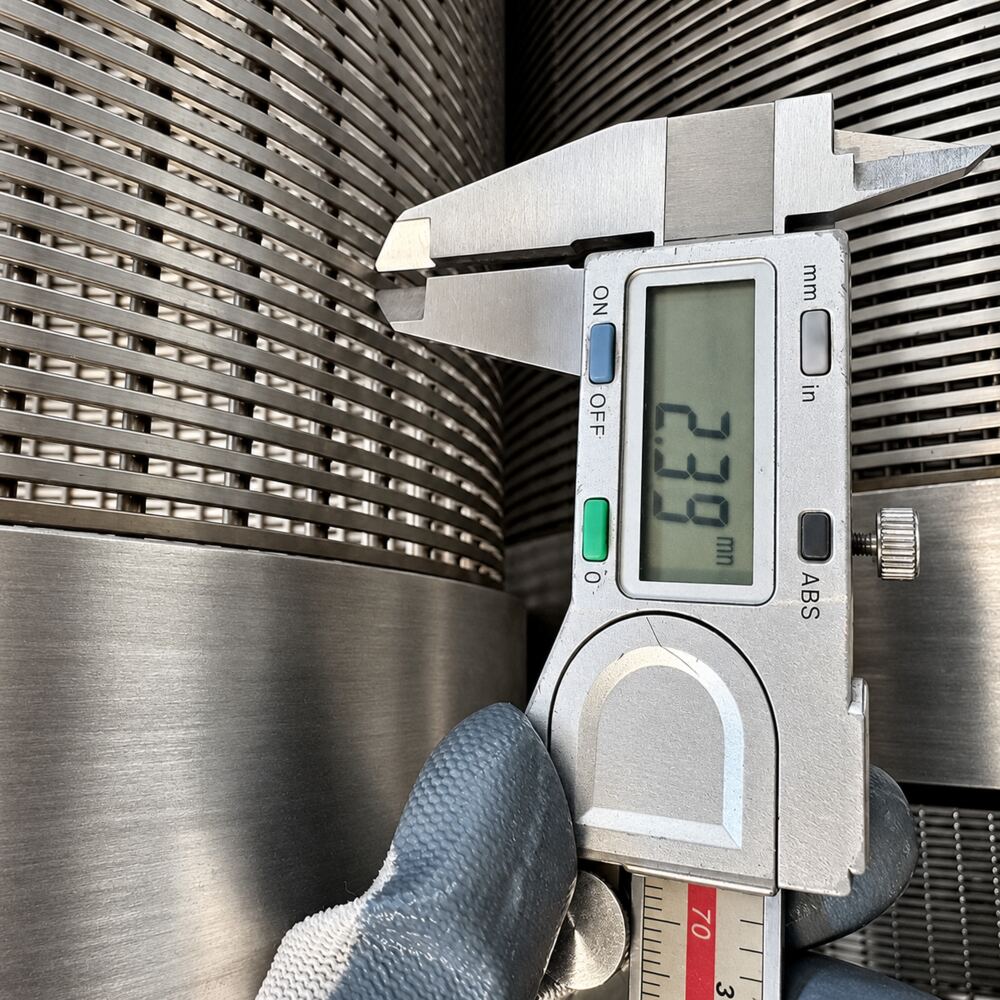
| Screening face | Deposits, bridging, abrasion, enlarged or uneven slots and damaged profile wires. | Photos, measured slot locations, working face and flow direction. |
| Welds and supports | Broken joints, bent supports, distortion, vibration or local fatigue. | Support position, damage extent and service or cleaning load. |
| Connections and seals | Loose fixings, worn rims, flange or gasket damage and bypass paths. | End or frame drawings, mating dimensions and installation orientation. |
| Process performance | Unexpected carryover, reduced throughput or a changed pressure difference. | Operating conditions, cleaning history and when the change appeared. |
Clean within the installed design limits
Remove loose debris using a method approved for the medium and equipment. Where backwash, spray or manual cleaning is permitted, check the allowable direction and pressure and avoid tools that deform wires or damage welds. Verify chemical compatibility with the specified alloy, welds, seals and downstream system before using a cleaning agent. Do not assume a cylinder rated for one process flow direction can withstand reverse cleaning pressure.
After cleaning, inspect for residual deposits and physical damage, reinstall to the correct orientation, and compare performance with the recorded baseline. A visibly open slot does not by itself prove the component meets the specified opening tolerance or process capacity.
When to replace instead of clean
Escalate for engineering review when slots have worn beyond the approved drawing, wires or supports have failed, the assembly no longer seals or fits, or performance does not recover after approved cleaning. The decision depends on the agreed acceptance criteria and equipment duty; this guide does not set a universal cleaning interval, pressure limit or end-of-life threshold.
Prepare a replacement that will fit
Record the equipment make and model, part or drawing number, revision, overall envelope, active screening dimensions, slot and material, flow direction, end connections, mounting datums, quantity and observed failure. Add annotated photographs and operating conditions. Use the replacement measurement checklist; photographs alone cannot establish fit or structural suitability.
For cylinders, distinguish overall length from active screen length and identify inside clearance and both ends. For water intake screens, include debris, design flow, available screen area, access and the project-specific cleaning method. For baskets, identify static or rotating duty and the mounting rim.
Technical references and scope
Hendrick's wedge wire overview discusses cleanable construction. Johnson Screens' passive-intake page describes cleaning features of its own systems. These references do not establish a maintenance procedure or performance specification for a Wedge Wire Works order.