River or canal intake
State current direction, seasonal water level, debris load, available pipe connection, maintenance access and the project-defined screening criteria.
KUNYU GROUP Wedge Wire Screen Team
CUSTOM INDUSTRIAL SCREEN COMPONENTS
Custom wedge wire water intake screens are supplied for raw-water abstraction and process-water projects. Each enquiry is reviewed around the intake form, normal and maximum design flow, available screen area, slot opening, water conditions, pipe connection, cleaning method and project-specific environmental criteria.
Intake screen components can be considered for raw-water abstraction and process-water systems. The complete intake also depends on its location, debris, water quality, maintenance access and connection to the pipework. Screen selection should follow the project designer’s hydraulic and environmental criteria.
CONFIGURATION REFERENCE
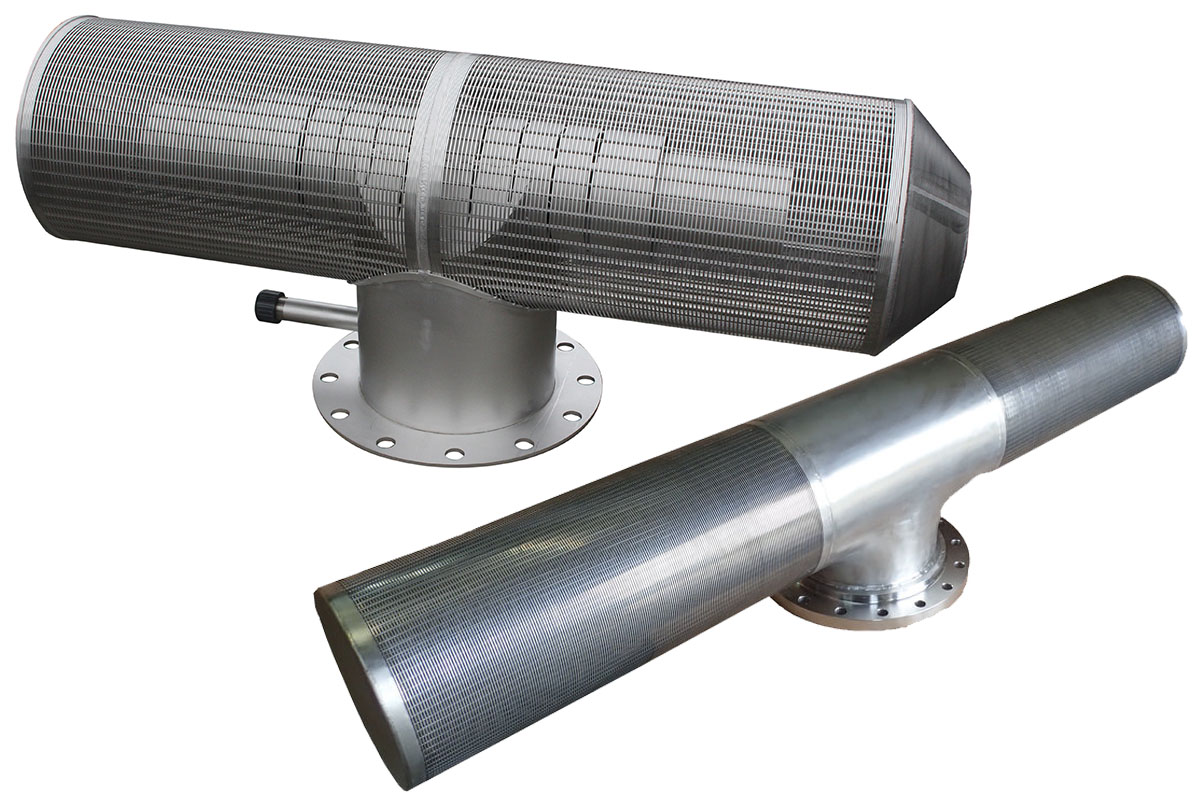
The photographs below are third-party industry references that illustrate common intake arrangements. They are not Wedge Wire Works production or completed-project claims. Final geometry, material, supports and cleaning provisions must be confirmed against the buyer’s drawing and design basis.

Useful to discuss when the project requires intake area across two cylindrical screen bodies and a central pipe connection.
Industry reference image: Hendrick Screen.
A cylindrical form can provide screening area within a compact envelope; orientation and connection details remain project-specific.
Industry reference image: Hendrick Screen.
Large or segmented assemblies make lifting points, flange orientation, support details and site access essential enquiry inputs.
Industry reference image: William Reid / Johnson Screens reference.Use this checklist for an enquiry or drawing review. Dimensions and slot openings are specified for the project; the table is not a stock-size or guaranteed-capability range.
| Buyer input | Information required | Why it matters |
|---|---|---|
| Intake form | T-shaped, drum, flat, half-barrel or drawing-defined assembly | Match the screen arrangement to the intake layout and maintenance access. |
| Design flow | Normal and maximum intake flow with units | Identify whether duty changes seasonally or across operating modes. |
| Water source | River, lake, seawater or process water; temperature and relevant chemistry | Exposure conditions guide material review and cleaning requirements. |
| Screen area | Available envelope, active area and project-defined design velocity | Distinguish gross surface area from effective net open area. |
| Slot and debris | Nominal slot, retained material, debris conditions and fouling allowance | State any project-specific environmental screening criteria. |
| Material | Required alloy grade and material-document scope | Confirm the specified components, exposure and documentation basis. |
| Connection | Pipe size, flange or mating details, support, submergence and installation drawing | Define the equipment interface and critical fit dimensions. |
| Cleaning | Passive cleaning, backwash, air-burst or another project-defined method | Cleaning provisions affect access, connections and operating review. |
These are illustrative enquiry profiles, not completed-project claims. They help identify which information should be supplied before a screen arrangement is reviewed.
State current direction, seasonal water level, debris load, available pipe connection, maintenance access and the project-defined screening criteria.
Provide submergence, intake orientation, available envelope, normal and maximum flow, fouling conditions and the proposed cleaning method.
Share minimum operating depth, bottom clearance, connection position and access limits so a half-barrel, flat or drawing-defined form can be reviewed.
Identify the characteristics that decide whether the screen is acceptable for your equipment:
Ask for the required inspection records, sampling basis and material documentation in the quotation. Availability and scope need to be confirmed for the order. Review the documentation checklist.
Send the drawing revision, quantity and delivery destination. For a replacement, include installation photos, the equipment reference and any wear or fit problems.
Material grade, tolerances, minimum order quantity, packing, lead time and delivery terms are agreed in the quotation. A similar-looking product photograph is not a compatibility confirmation.
No. Applicable criteria depend on the project and jurisdiction. Slot opening, approach velocity, placement and other design conditions must be assessed against the project requirements; screen geometry alone does not establish compliance.
No. A useful assessment also needs screen dimensions, profile wire width, effective area, blockage assumptions and the relevant velocity or pressure criteria. Share the required flow and the project design basis.
Provide the intake form, normal and maximum design flow, available envelope, active screen area, nominal slot, water source, material requirement, connection drawing, cleaning method, quantity and delivery destination. Unknown items can remain open for technical review.
Enquiries can include T-shaped, drum, flat, half-barrel and drawing-defined intake screen assemblies. The proposed form and construction are confirmed against the intake layout, flow requirement, installation and maintenance conditions.
Record debris conditions, the approved cleaning method, screen orientation, connection dimensions and any change in flow or pressure before requesting a replacement. Inspection and cleaning limits depend on the installed intake and project design. Use the maintenance checklist →
Send the water source, normal and maximum flow, intake form, available envelope, slot, material, pipe connection, cleaning method, quantity and destination. Unknown items can remain open for technical review.
Email eric@kunyufencing.com or continue on WhatsApp. Attach drawings in your chosen app.