CUSTOM INDUSTRIAL SCREEN COMPONENTS
Mash Tun False Bottoms
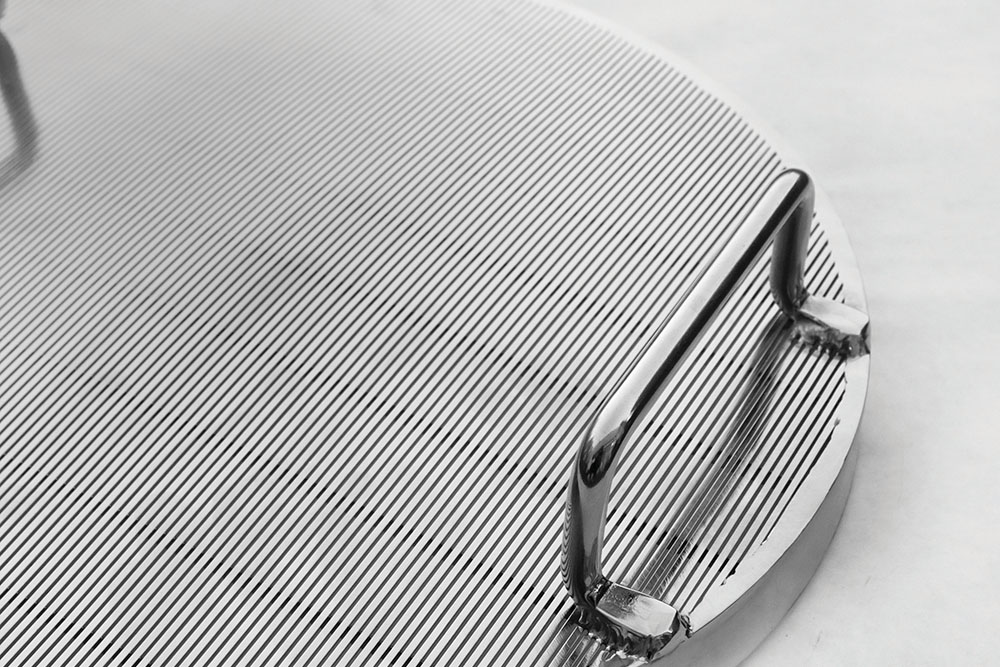
A wedge wire mash tun false bottom is a slotted screen assembly installed above the vessel base to support the grain bed while allowing wort to pass through. Its sections, supports and edge details must match the vessel layout.
- Screen form
- Circular or segmented vessel screen sections
- Material
- Stainless steel; discuss 304, 316 and the specified surface condition
- Supply team
- Wedge Wire Works · KUNYU Group
Where this screen fits
False bottoms are used in mash or lauter vessel arrangements where screen fit, liquid drainage and access for cleaning matter. Vessel diameter alone is insufficient for a replacement: centre openings, drains, segment joints and the support pattern can affect installation and operation.
Specification checklist
Use this checklist for an enquiry or drawing review. Dimensions and slot openings are specified for the project; the table is not a stock-size or guaranteed-capability range.
| Parameter | Information to provide | Why it matters |
|---|---|---|
| Vessel geometry | Internal diameter, screen elevation and installation opening | Include centre columns, drains and other obstructions. |
| Screen sections | Number of segments, joint layout and lifting provisions | Check that each section can pass through the access opening. |
| Slot requirement | Nominal opening, tolerance and working-face orientation | Discuss the process duty alongside the required slot. |
| Support structure | Support positions, spans and expected grain-bed load | Include both process loading and maintenance access requirements. |
| Surface and cleaning | Specified grade, finish, cleaning chemicals and temperature | State any required hygienic documentation or acceptance criteria. |
Agree the acceptance points
Identify the characteristics that decide whether the screen is acceptable for your equipment:
- Segment fit, edge clearances and openings.
- Slot opening, support positions and lifting details.
- Agreed material, surface condition and cleaning-access requirements.
Ask for the required inspection records, sampling basis and material documentation in the quotation. Availability and scope need to be confirmed for the order. Review the documentation checklist.
Ordering and replacement details
Send the drawing revision, quantity and delivery destination. For a replacement, include installation photos, the equipment reference and any wear or fit problems.
Material grade, tolerances, minimum order quantity, packing, lead time and delivery terms are agreed in the quotation. A similar-looking product photograph is not a compatibility confirmation.
Questions about mash tun false bottoms
Can the false bottom be split into removable sections?
Share the vessel access opening and the preferred segment arrangement. Section size, support points, joint gaps and lifting provisions should be defined together on the drawing.
Is stainless steel alone enough to specify a hygienic screen?
No. Also define surface condition, weld and edge requirements, drainage, cleaning access and the documentation required for the application. Any hygienic or food-contact claim needs the applicable project criteria.
Bring your screen requirement.
Send your drawing, dimensions or existing-screen details. Start with what you know.
Email eric@kunyufencing.com or continue on WhatsApp. Attach drawings in your chosen app.